.png)
Southern Utah homes are built for heat, sun, and dry weather most of the year.
That is exactly why flash floods can catch homeowners off guard.
In St. George, monsoon storms can dump heavy rain fast, overwhelm drainage, push water toward foundations, and turn a dry property into a water damage problem in a matter of minutes.
What looks like “just a storm” can quickly lead to soaked flooring, damaged drywall, hidden moisture, and the need for professional water damage restoration.
A lot of homeowners assume serious water damage is more of a problem in wetter climates.
Not always.
In Southern Utah, dry conditions can create a false sense of security. When intense rain hits all at once, the ground may not absorb water quickly, runoff can build fast, and water can end up where it is not supposed to go - through roofing weaknesses, under doors, into garages, around window seals, and along the base of the home.
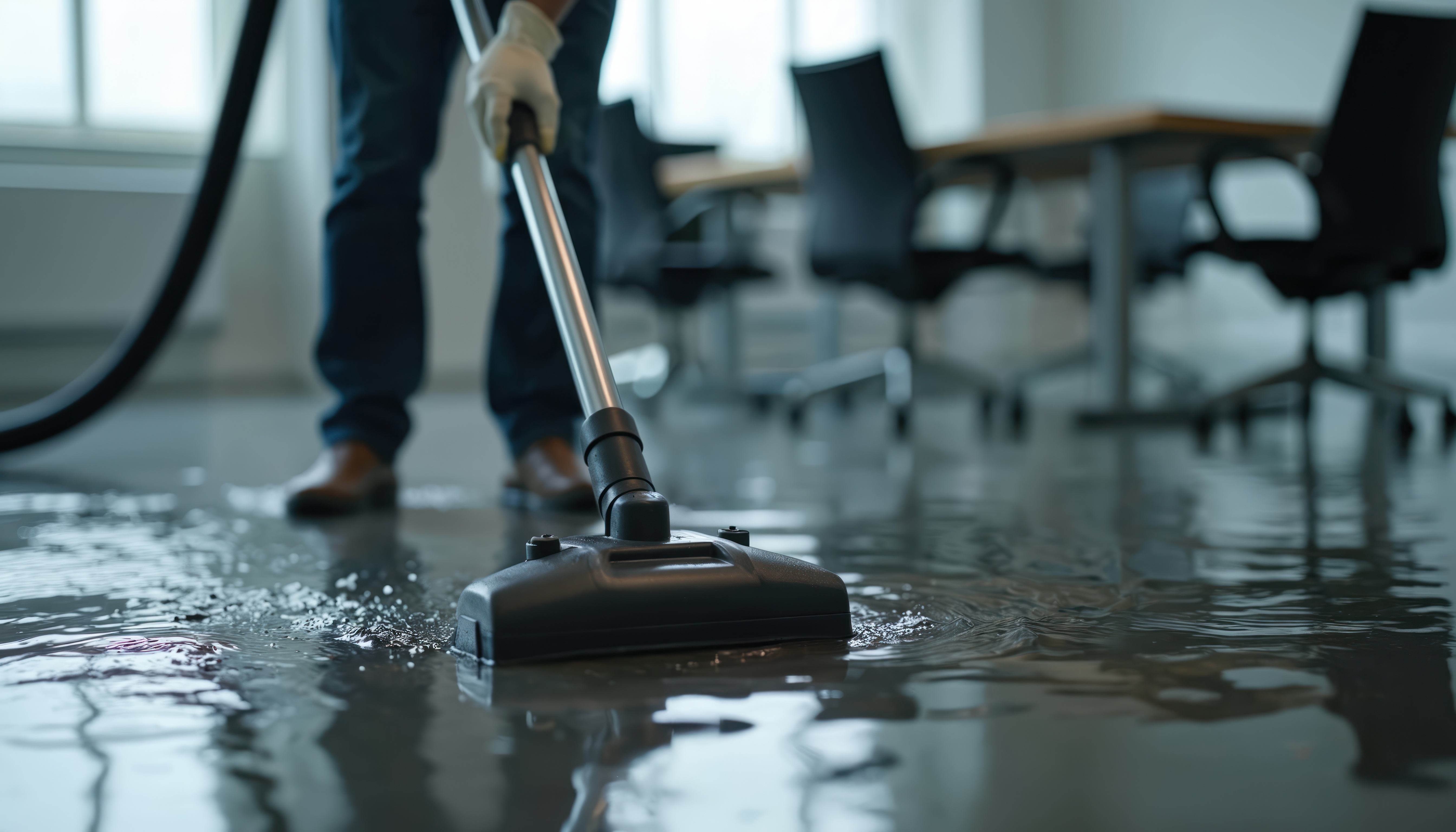
That is part of what makes flash flood damage cleanup in St. George so urgent. The storm may pass quickly, but the damage it leaves behind can keep spreading.
Monsoon-related water damage is not always dramatic at first.
Sometimes it starts with:
The visible water is only part of the problem. Water can move quickly into flooring, drywall, baseboards, insulation, and other materials throughout the home. What looks minor at first can turn into a much bigger issue if the moisture is not fully removed and the area is not dried properly.
Once water gets into the home, the clock starts.
That is where homeowners in St. George can get into trouble. It is easy to think the danger is over once the rain stops. In reality, leftover moisture can continue affecting flooring, drywall, insulation, baseboards, and contents long after the weather clears.
This is why water damage restoration in St. George is about more than removing obvious water. A complete response means finding hidden moisture, drying the structure thoroughly, and helping prevent the next wave of problems.
Not every home is affected the same way, but a few patterns show up often in this area:
Heavy rain can move quickly across hard, dry ground and collect around the home before it has time to drain away.
Flash flooding is often about volume in a short amount of time, not long periods of rain.
Doors, garages, rooflines, window edges, and low points around the property can all become vulnerable during a major storm.
Even when the visible mess looks manageable, moisture may still be trapped in materials that need professional drying.
After a monsoon storm, do not just look for standing water.
Watch for:
If any of those are showing up, it is time to move quickly.
A lot of homeowners wait a day or two to see if things dry out on their own. That delay can make the cleanup more difficult, more expensive, and more disruptive. The sooner water damage is addressed, the better the chances of limiting the spread and preventing bigger restoration issues.
Yes - it can.
Moisture left behind after flooding or storm intrusion can create the conditions for mold growth, especially in hidden areas like behind walls, under flooring, or around materials that never fully dried out.
That is one of the biggest reasons flash flood damage cleanup needs to happen quickly. The initial storm may be the event that gets your attention, but incomplete drying is often what creates the next problem.
After flash flood or monsoon damage, the goal is not just to clean up what you can see. It is to identify how far the water spread, remove standing water, dry the structure thoroughly, and help restore the property before hidden moisture leads to bigger problems.
The danger with monsoon damage in St. George is not always how dramatic it looks at first.
It is how fast a “small” storm problem can turn into a larger restoration issue.
What starts as water near a doorway or a little seepage in the garage can become damaged flooring, wet drywall, hidden moisture, and a much more complicated cleanup if it is not handled quickly.
Flash floods and monsoon storms are not rare inconveniences in Southern Utah. They are real property risks, and homes in St. George can be more vulnerable than they first appear.
If your property takes on water after a storm, do not assume the problem ends when the weather clears. Fast flash flood damage cleanup and thorough water damage restoration can make a major difference in protecting your home and limiting the damage.