.png)
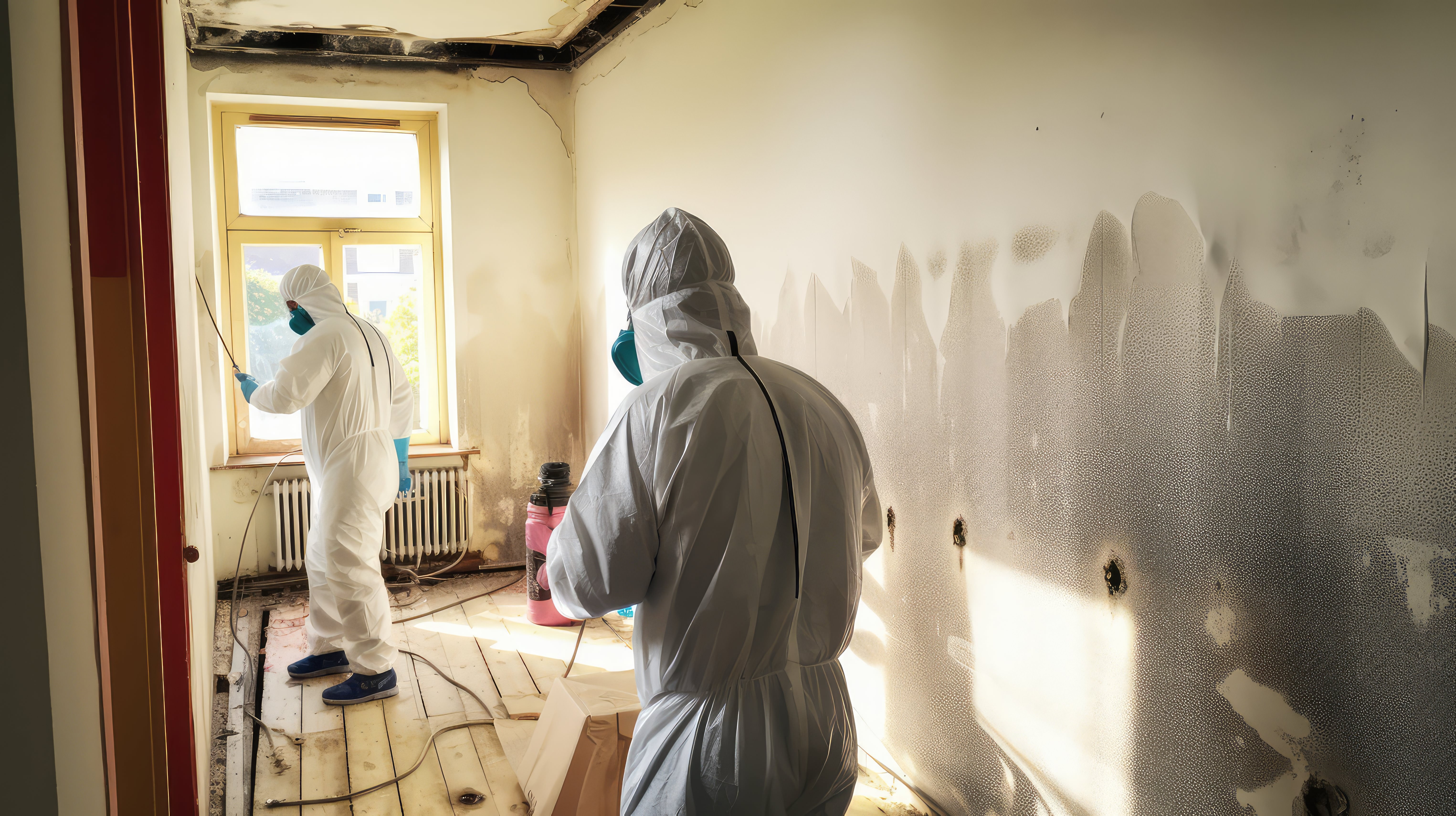
The fire does not have to reach your house to affect it.
That is what makes wildfire season so deceptive in St. George.
A home can look untouched from the outside and still have smoke damage inside. No flames. No obvious burn marks. Just a house that smells wrong, feels dusty, and does not feel fully clean anymore.
Wildfire smoke doesn’t always just blow away.
It travels.
It settles.
It sticks.
And once it gets indoors, it can affect far more than the room you first notice it in.
The Air - If the house still smells smoky days later, that is a sign the problem is not just outside anymore.
The Surfaces - Walls, ceilings, trim, counters, and fixtures can all collect fine residue.
The Soft Materials - Carpet, rugs, couches, curtains, bedding, and other fabrics tend to hold odor longer.
The Vents - If smoke moved through the HVAC system, it may continue circulating particles and odor.
The “Clean” Rooms - Even rooms that seem closed off can still trap smoky air and lingering residue.
That is why fire damage restoration in St. George is not always about rebuilding after a fire. Sometimes it starts with smoke and soot cleanup after wildfire exposure.
This is where homeowners tend to underestimate it.
A smoky odor is annoying.
But the bigger issue is what caused it.
Smoke carries tiny particles that can settle into the home and cling to both hard and soft surfaces. Ash can also work its way indoors and collect in places that are easy to overlook. If that residue is not cleaned correctly, the house can keep feeling affected long after the outdoor air improves.
If you are checking the house after a wildfire event, start with these areas:
Near windows and doors
Ash and fine particles often gather where outside air worked its way in.
Around vents and returns
Smoke can move through the system and spread farther than expected.
On walls and ceilings
Soot film is not always obvious until the light catches it.
On upholstery and carpet
Soft surfaces tend to trap odor and particles.
In less-used rooms
Smoke does not always settle evenly. Some rooms hold onto it more than others.
If you are asking yourself whether the home was really affected, these are the right questions:
If the answer is yes to several of those, it is probably not something basic house cleaning is going to solve.
Sprays, candles, and open windows may help temporarily, but they do not remove the source.
That can smear residue and make cleanup harder.
Odor tends to settle into fabrics and stay there.
If smoke traveled through it, the system may keep recirculating the problem.
Smoke intrusion is still interior damage.
Normal cleaning is about tidying up.
Smoke and soot cleanup is about removing what wildfire exposure actually left behind.
That can mean:
In other words, it is not just about making the house smell better. It is about restoring the indoor environment.
In St. George and across Southern Utah, wildfire smoke can affect homes indirectly. The house may never be in the fire zone itself, but the interior can still take on smoke, soot, and ash. That kind of damage is easier to dismiss because it does not look like the fire damage people picture.
But the impact indoors is still real.
If the smell lingers, the residue keeps returning, or the home still feels off after the smoke event has passed, that is usually the sign to stop hoping it will clear on its own.
At that point, it is less about airing the house out and more about dealing with the aftermath correctly.
Wildfire smoke and ash can change the inside of a home even when the fire never reaches the property.
In St. George, that can mean lingering odor, soot on surfaces, ash near openings, and indoor spaces that never quite feel normal again on their own. When that happens, smoke and soot cleanup is not just a finishing touch. It is part of real fire damage restoration.
If your home still smells smoky, feels dusty, or seems off after a wildfire event, it is worth taking seriously.