.png)
New does not mean sealed tight forever.
In South Jordan, newer homes often look like they should be safer from water damage. Clean finishes, newer materials, recent builds - it is easy to assume major moisture problems are more of an older-home issue.
But that is not always how it works.
New construction can still take on water. And when it does, the problem often catches homeowners off guard because the warning signs feel less obvious at first. What looks like a small leak, a damp wall, or a little staining can turn into a larger water damage repair issue faster than expected.
A lot of people think:
Older home = more risk
Newer home = less to worry about
That sounds reasonable. It is just not a guarantee.
In South Jordan, newer homes can still deal with:
Water damage in a newer home usually does not start with the whole house.
It starts at a weak point.
Even newer installations can let water in if seals fail, flashing is off, or moisture finds a way around the opening.
A plumbing leak does not need to be dramatic to cause damage. Slow leaks can stay hidden longer than homeowners expect.
A newer roof is not immune to installation problems, storm damage, or vulnerable transitions.
Bathrooms, laundry areas, and kitchens are still some of the most common places for indoor water damage to begin.
Drainage and grading issues can still push water where it does not belong, even on a recently built property.
This is the part that makes newer homes tricky.
The damage often feels out of place.
Homeowners tend to question it:
That delay is what allows the problem to grow.
A newer wall can still hold moisture.
A newer floor can still warp.
A newer home can still end up needing professional water damage repair in South Jordan.
In a newer home, the clues may look small at first.
Watch for:
Those are not signs to shrug off just because the home is newer.
Mold is not just an old-house problem either.
That is one of the biggest misconceptions homeowners run into.
If moisture is left sitting behind drywall, under flooring, around window frames, or near plumbing lines, new construction mold issues can develop just like they can in any other home. In some cases, the newer materials and tighter building envelope can make trapped moisture harder to notice until the issue has already spread.
That is why fast response matters.
The sooner the moisture is identified and addressed, the better the chances of keeping a water problem from turning into a mold problem too.
Usually, it’s the expectation.
You do not expect major moisture trouble in a newer South Jordan home. So the signs tend to get second-guessed longer.
But water damage does not really care whether the house is 5 years old or 50.
Once it gets in, it can affect:
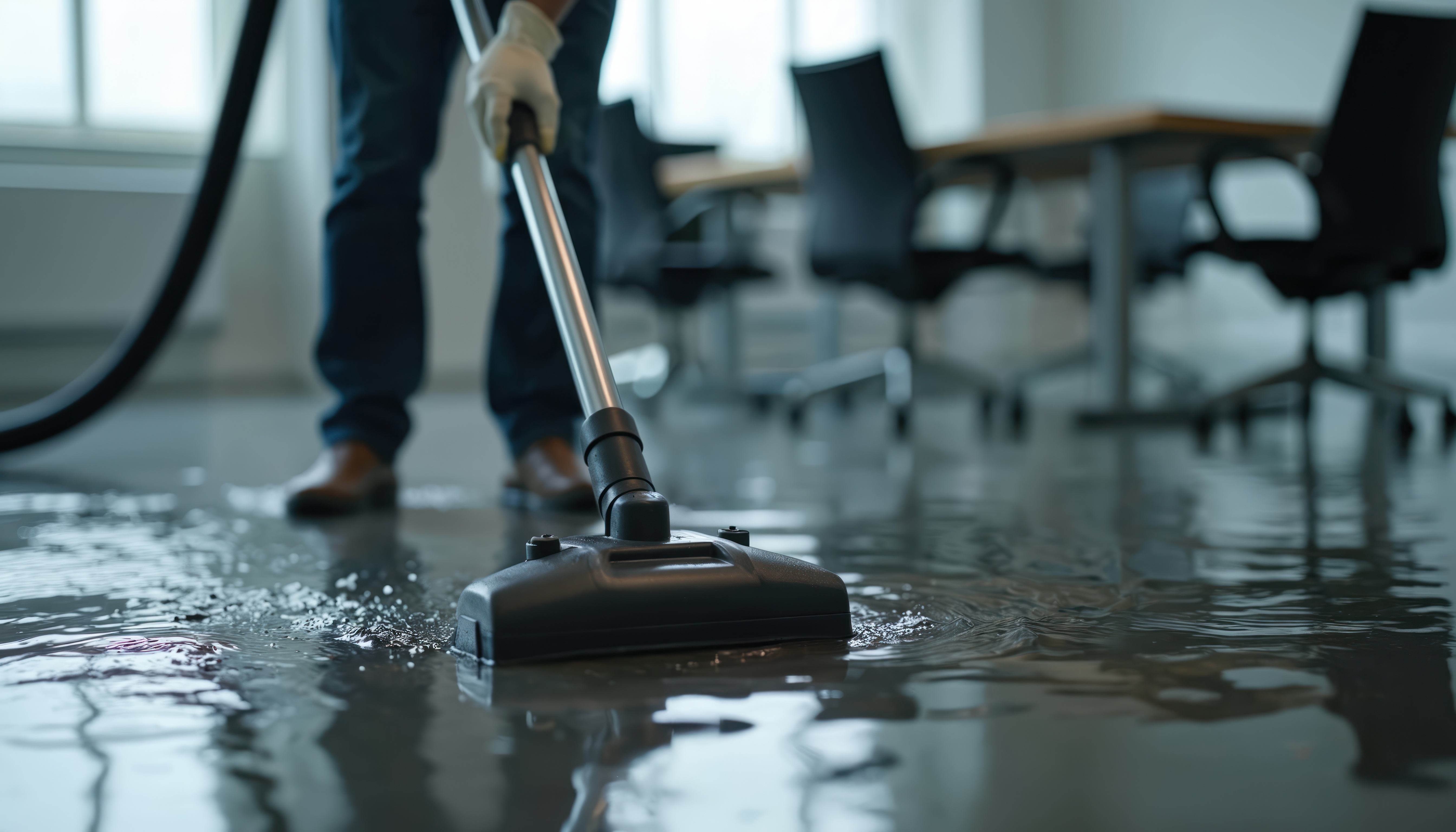
And once that starts, it becomes more than cleanup. It becomes a restoration issue.
A lot of homeowners hear water damage repair and think only about replacing what looks ruined.
But the bigger goal is to stop the spread.
That can mean:
In a South Jordan home, that kind of fast response can make the difference between a manageable repair and a much more disruptive one.
This is not one of those home issues that usually improves with waiting.
A light stain on the ceiling.
A musty smell in one room.
A patch of flooring that feels off.
A recurring damp spot near a window.
Those are the kinds of small signs that can point to a larger water issue developing behind the surface.
Newer homes are not immune to water damage.
In South Jordan, new construction can still deal with leaks, water intrusion, hidden moisture, and new construction mold issues when problems are missed or left unresolved too long. The materials may be newer, but the need for fast action is the same.
If something looks damp, stained, swollen, or just not right, it is worth taking seriously early. Acting quickly on water damage repair can help keep a smaller problem from becoming a much bigger one.