.png)
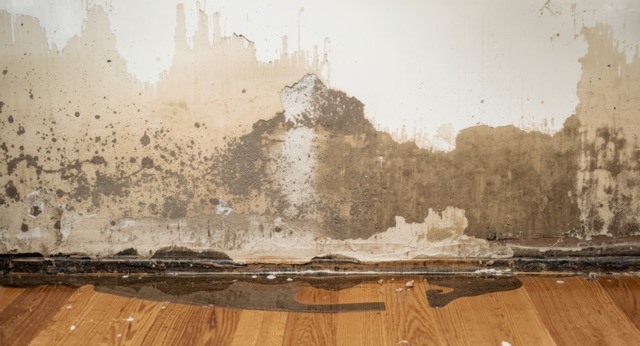
Mold After Water Damage in Cottonwood Heights: How Fast It Grows & Why Timing Matters
Water damage rarely stays just a water problem for long.
In Cottonwood Heights, one of the biggest risks after a leak, overflow, or soaked area is not always the visible damage. It is what can happen next if moisture stays trapped in the home. That is where mold becomes part of the conversation.
A lot of homeowners think of mold as something that takes a long time to show up. But after water damage, the real issue is not how dramatic the original event looked. It is how quickly the area was dried and how much moisture was left behind.
The Risk Starts Before Mold Is Easy to See
This is what makes mold after water damage so easy to underestimate.
Most people are not looking at a damp room and thinking about what could already be developing behind the wall, under the flooring, or inside the materials that absorbed water. They are looking at what seems to be improving on the surface. The carpet feels less wet. The visible water is gone. The room looks better than it did yesterday.
But that does not always mean the home is actually dry.
Moisture can stay trapped in places like:
- Drywall
- Baseboards
- Insulation
- Subflooring
- Floor Padding
That is where the timeline starts shifting from water damage to mold risk.
Why Timing Matters So Much
The biggest difference between a more manageable cleanup and a more complicated situation is often speed.
The longer water sits, the more time it has to move deeper into the home. Even a smaller leak can create the right conditions for mold if the drying process is delayed or incomplete. That is why fast action matters so much in Cottonwood Heights. The issue is not just removing obvious water. It is making sure lingering moisture does not stay behind and keep feeding the problem.
This is also why emergency water extraction matters. It is not only for large floods or dramatic disasters. It matters anytime water needs to be removed quickly before it keeps soaking into surrounding materials.
Water Damage Does Not Have to Look Severe
One of the more misleading things about mold after water damage is that it can follow problems that did not seem major at first.
A burst pipe makes sense. So does a flooded basement. But mold risk can also follow the kind of damage homeowners are more tempted to downplay. A wet carpet in one room. Water behind a wall. A bathroom overflow. A leak that was caught, but maybe not dried as thoroughly as it should have been.
That is why mold after water damage in Cottonwood Heights can become an issue even when the original event did not feel like a major emergency.
What Happens When People Wait
Usually, the delay sounds reasonable at the time.
The room seems to be drying out. The damage does not look that bad. The smell is not strong. The area seems better than it did the day before.
But water damage often keeps working after the obvious mess is gone. The surface can improve while the structure still holds moisture. That is what makes waiting risky. The longer the moisture stays hidden in the home, the more likely it is to turn into a bigger problem that is harder to contain.
By the time homeowners start noticing things like:
- Musty smells
- Recurring dampness
- Bubbling paint
- Surfaces that feel off
- Moisture returning in the same area
The issue has often moved beyond simple cleanup.
The Part of the Home You Cannot See Matters Most
The visible water gets the most attention first, which makes sense. But after that, the bigger concern is usually the moisture that stays behind.
That hidden moisture is what makes mold such a common follow-up issue after water damage. The home may look better, smell better, and even feel mostly dry in certain areas, while moisture is still trapped in places that do not air out on their own.
That is why a water event in Cottonwood Heights should not be judged only by what is visible on the floor or wall. The real question is how much moisture made it into the materials around it.
Why Emergency Water Extraction Helps
Fast emergency water extraction helps reduce how far the damage can spread and how much material has time to stay saturated. It also helps shorten the overall drying process, which matters because time is what allows the risk to keep building.
Once water is removed quickly, there is a much better chance of getting ahead of what comes next. That is the real value of acting early. It is not just about cleaning up the current mess. It is about reducing the chance that moisture becomes a second problem later.
Bottom Line for Cottonwood Heights Homeowners
If your home has had water damage, the goal is not just to get past the visible mess. It is to move quickly enough that mold does not get the chance to follow it.
In Cottonwood Heights, mold after water damage can become a real issue when moisture lingers in walls, flooring, insulation, or other materials longer than it should. That is why timing matters so much. Fast cleanup, thorough drying, and emergency water extraction can make a major difference in keeping a water problem from turning into something more complicated.